
What Ingredients Should You Look for in Skincare Products
Choosing the right skincare products can feel overwhelming with so many ingredients listed on every bottle. While attractive packaging and marketing claims may catch your attention, the real effectiveness of a skincare product depends on its ingredients. Understanding what each ingredient does helps you make informed choices that match your skin type and concerns.
Whether your goal is hydration, brighter skin, acne control, or reducing signs of aging, selecting products with proven ingredients can make a noticeable difference. Instead of following every trend, focus on ingredients that are backed by research and have a long history of delivering visible results.

Hyaluronic Acid for Deep Hydration
One of the most popular skincare ingredients today is hyaluronic acid. It is naturally found in the skin and has the ability to attract and retain moisture. This makes it an excellent ingredient for keeping the skin soft, smooth, and hydrated throughout the day.
Hyaluronic acid works well for almost every skin type, including dry, oily, and combination skin. It helps reduce the appearance of fine lines caused by dehydration and leaves the skin looking plump without feeling greasy. Pairing it with a quality moisturizer helps lock in hydration for even better results.
Vitamin C for Brighter, Healthier Skin
Vitamin C is a powerful antioxidant that helps protect the skin from environmental damage caused by pollution and UV exposure. It is widely known for improving skin brightness and reducing the appearance of dark spots left behind by acne or sun exposure.
Regular use of Vitamin C can help even out skin tone while supporting collagen production, which contributes to firmer-looking skin. For best results, many people apply Vitamin C serum during their morning skincare routine before sunscreen.

Niacinamide for Balanced Skin
Niacinamide, also known as Vitamin B3, is one of the most versatile skincare ingredients available today. It works well for sensitive, oily, and acne-prone skin while also benefiting mature skin.
Its key benefits include:
- Reducing excess oil production
- Improving uneven skin tone
- Minimizing the appearance of enlarged pores
- Strengthening the skin’s protective barrier
- Calming redness and irritation
Niacinamide combines well with many other ingredients, making it a great addition to both beginner and advanced skincare routines.
Salicylic Acid for Acne-Prone Skin
If you struggle with pimples, blackheads, or clogged pores, salicylic acid is one of the most effective ingredients to look for. As a beta hydroxy acid (BHA), it penetrates deep into pores to dissolve excess oil and remove dead skin cells.
Unlike harsh scrubs, salicylic acid gently exfoliates the skin without causing excessive friction. With consistent use, it can reduce breakouts, improve skin texture, and prevent future acne from forming.
People with oily or acne-prone skin often benefit from cleansers, toners, or serums containing salicylic acid.
Retinol for Signs of Aging
Retinol is considered one of the most researched and effective anti-aging ingredients. It encourages faster skin cell turnover and supports collagen production, helping reduce the appearance of fine lines, wrinkles, and uneven texture.
Because retinol is a potent ingredient, beginners should start with lower concentrations and use it only a few nights each week. Applying moisturizer afterward helps minimize dryness or irritation while the skin adjusts.
Daily sunscreen is essential when using retinol, as it can make the skin more sensitive to sunlight.
Ceramides for a Strong Skin Barrier
Healthy skin depends on a strong protective barrier, and ceramides play an important role in maintaining it. These naturally occurring lipids help prevent moisture loss while protecting the skin from environmental irritants.
Products containing ceramides are especially beneficial for people with dry, sensitive, or damaged skin. They work well alongside hydrating ingredients like hyaluronic acid and soothing ingredients such as niacinamide to restore healthy-looking skin.
Peptides for Firmer Skin
Peptides are small chains of amino acids that help support collagen and elastin production. They are commonly found in anti-aging serums and moisturizers because they improve skin firmness and elasticity over time.
Unlike stronger active ingredients, peptides are generally gentle and suitable for daily use. They can easily fit into both morning and evening skincare routines.
Aloe Vera and Centella Asiatica for Soothing Care
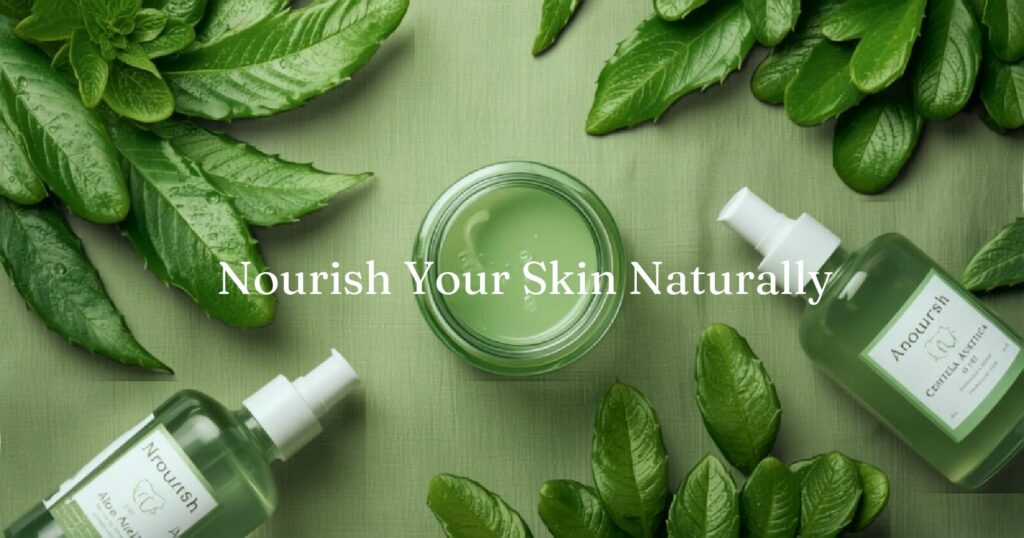
Sensitive or irritated skin benefits from calming botanical ingredients. Aloe vera provides cooling hydration, while Centella Asiatica helps reduce redness and supports skin repair.
These ingredients are commonly included in moisturizers, gels, and sheet masks designed for sensitive skin. They also pair well with stronger active ingredients by helping reduce irritation.
Ingredients to Avoid Depending on Your Skin
Not every ingredient works for every skin type. If you have sensitive skin, heavily fragranced products or products containing high amounts of alcohol may cause irritation. Those with acne-prone skin should also avoid products that clog pores or contain unnecessarily heavy oils.
Always read ingredient labels carefully and introduce new products gradually. Performing a patch test before applying a new product to your entire face is a simple way to reduce the risk of unwanted reactions.
Building an Effective Skincare Routine
The best skincare routine is one built around your individual skin type rather than temporary trends. Focus on products that contain ingredients with proven benefits instead of choosing products based solely on attractive packaging or viral popularity.
A simple routine including a gentle cleanser, moisturizer, sunscreen, and targeted treatments with ingredients like hyaluronic acid, niacinamide, Vitamin C, or salicylic acid is often more effective than using too many products at once.
Final Thoughts
Knowing what ingredients to look for in skincare products helps you invest in products that truly benefit your skin. Ingredients such as hyaluronic acid, Vitamin C, niacinamide, ceramides, salicylic acid, retinol, peptides, and soothing botanical extracts each serve unique purposes and can address different skincare concerns effectively.
The key to healthier skin is consistency rather than complexity. Choose products based on your skin’s needs, follow a regular routine, and protect your skin daily with sunscreen. Over time, using the right ingredients consistently can help you achieve healthier, smoother, and more radiant skin.